About Tea
Tea has a history stretching back thousands of years. In ancient China, tea leaves were first used for medicinal purposes and as a stimulating drink to improve alertness and concentration. Over time, tea became part of daily life, philosophy and ceremony, spreading from China to Japan, the Middle East and eventually Europe.
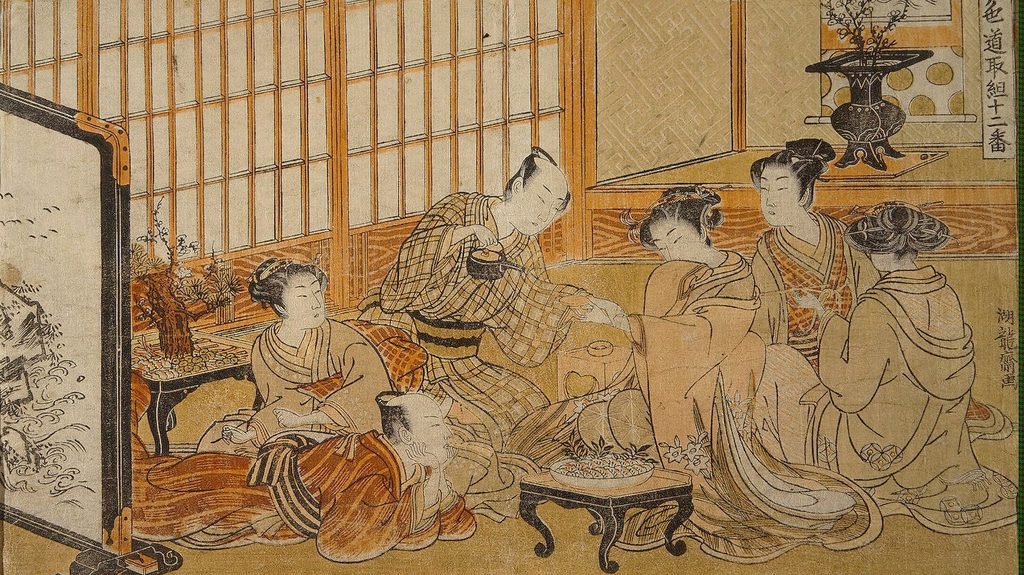
And what began as a functional drink gradually became something more. Today, tea is often associated with slowing down: a quiet pause in the day, a moment of comfort, reflection and relaxation. From an ancient remedy and source of energy, tea has evolved into a ritual that invites us to stop for a moment and simply enjoy.
Black tea
All tea is made from the leaves of the Camellia sinensis plant. To make black tea, the leaves are allowed to fully oxidize after harvesting. This process darkens the leaves and creates the tea’s characteristic deep colour, fuller body and rich, often malty or slightly fruity flavour. Black tea generally contains more caffeine than other traditional teas.
Brewing: Use water at around 95-100° C and let the tea steep for approximately 3-5 minutes.
Green tea
Green tea is made by heating the leaves shortly after harvesting to prevent oxidation. This helps preserve their green colour and gives the tea its fresh, light and often grassy or slightly vegetal flavour. Green tea generally contains a moderate amount of caffeine.
Brewing: Use water at around 70-80°C and let the tea steep for approximately 2-3 minutes. Water that is too hot can make green tea taste bitter.
White tea
White tea is made from the young leaves and buds of the tea plant, which are usually being simply withered and dried after harvesting. This gentle production method preserves its delicate character, resulting in a light, subtle flavour that can be floral, sweet or slightly fruity. White tea typically contains some caffeine, though the exact amount varies.
Brewing: Use water at around 75-85°C and let the tea steep for approximately 3-5 minutes. A moderate temperature helps preserve its delicate flavours.
Yellow tea
Closely related to green tea. After the leaves are heated to stop oxidation, they undergo an additional gentle “yellowing” process, in which they are wrapped or covered for a short period. This softens the grassy notes often found in green tea and creates a smoother, rounder and slightly sweet flavour.
Brewing: Use water at around 75-85°C and let the tea steep for approximately 2-3 minutes. Avoid boiling water, as a lower temperature allows more refined flavours to come through.
Oolong tea
This tea sits between green and black tea in terms of oxidation. The leaves are partially oxidized, which gives oolong tea a wide range of flavours, from fresh and floral to rich, roasted and slightly fruity. Its character depends strongly on how it is processed, and it usually contains a moderate amount of caffeine.
Brewing: Use water at around 85-95°C and let the tea steep for approximately 2-4 minutes. Many oolong teas can be steeped more than once, revealing different flavours with each infusion.
Post-fermented tea
This tea undergoes microbial fermentation and ageing after the initial processing. This gradually changes the tea’s colour, aroma and flavour, often creating smooth, earthy, woody or slightly sweet notes. Some varieties are aged for many years and can develop increasingly complex flavours over time. Pu-erh tea from China is the best-known example of post-fermented tea.
Brewing: Use water at around 95-100°C and let the tea steep for approximately 2-4 minutes. These areas can often be steeped several times, with its flavour changing from one infusion to the next.
Rooibos
Not strictly tea, but a naturally caffeine-free herbal infusion made from the leaves of the Aspalathus linearis plant, which grows mainly in South Africa. The leaves are typically oxidized after harvesting, giving rooibos its characteristic reddish-brown colour and smooth, naturally sweet flavour with mild earthy and nutty notes.
Brewing: Use water at around 95-100°C and let the rooibos steep for approximately 5-7 minutes. Unlike “real” teas, rooibos doesn’t easily become bitter when steeped a little longer.